
Brushing and flossing every day are essential for maintaining good oral hygiene, but they may not remove all the plaque and tartar that accumulate around your teeth and gums. Professional dental cleaning helps remove these deposits and supports long-term oral health.
However, not all dental cleaning procedures are the same. You may have heard your dentist recommend either a regular dental cleaning or a deep cleaning. While both procedures aim to improve oral health, they serve different purposes and are recommended for different conditions.
Understanding deep cleaning vs regular cleaning can help you know what to expect during your dental appointment and why your dentist may recommend one treatment over the other.
Let’s explore their differences, benefits and when you might actually need each procedure.
What Is Regular Dental Cleaning?
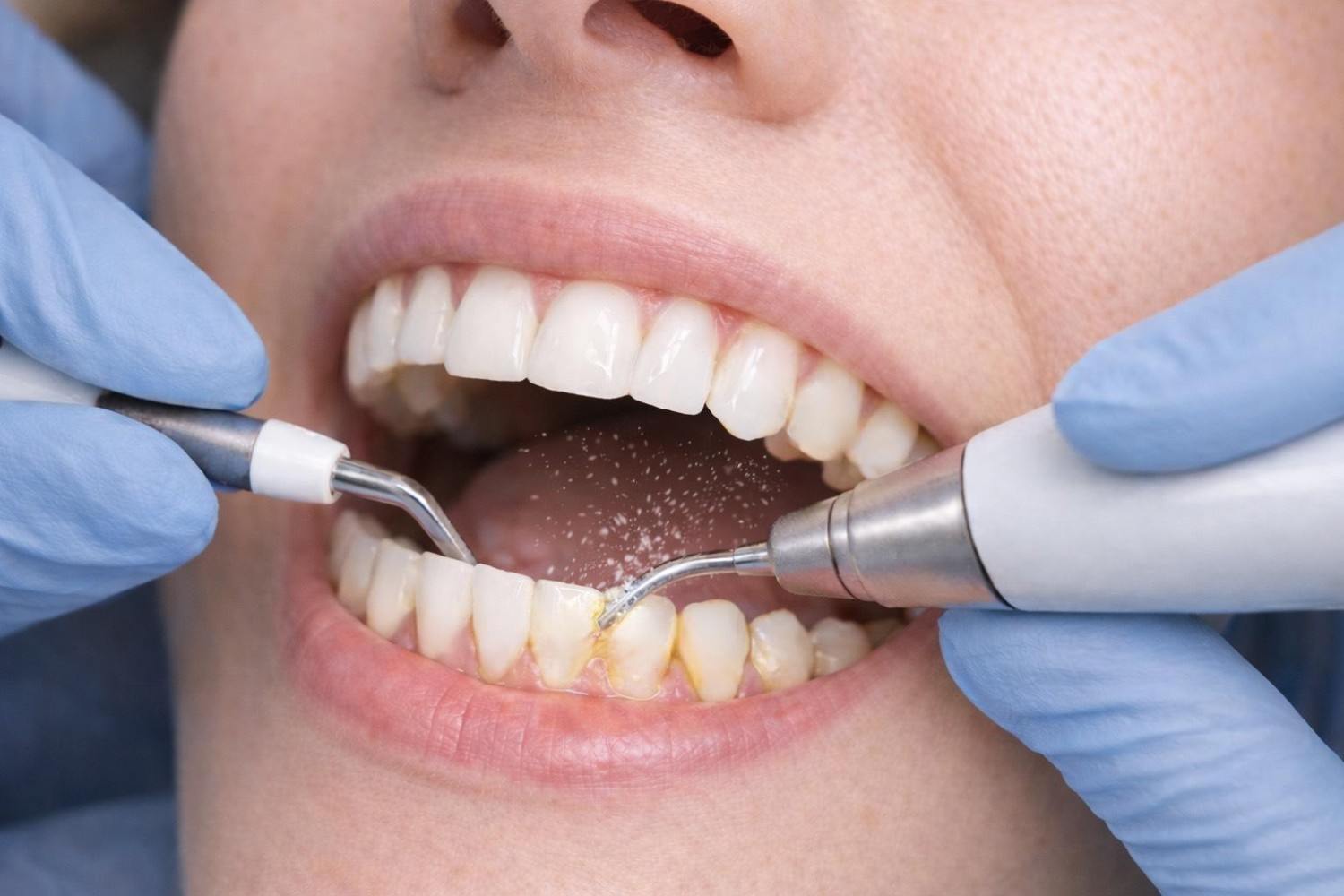
Regular dental cleaning, also known as professional scaling and polishing, is a preventive procedure designed to remove plaque, tartar and surface stains from your teeth.
Even if you brush and floss regularly, plaque can accumulate in areas that are difficult to clean. Over time, this plaque can harden into tartar, which cannot be removed effectively with a toothbrush.
During a regular cleaning, your dental professional generally:
- Removes plaque and tartar from the visible surfaces of your teeth and around the gumline.
- Cleans areas where deposits have accumulated.
- Polishes your teeth to remove certain surface stains.
- Checks your teeth and gums for signs of potential dental problems.
Benefits of Regular Dental Cleaning
Professional dental cleaning offers several benefits:
- Helps prevent gum disease: Removes plaque and tartar that can contribute to gum inflammation.
- Reduces the risk of cavities: Helps remove plaque deposits that contribute to tooth decay.
- Supports fresher breath: Reduces bacteria and deposits associated with bad breath.
- Removes surface stains: Polishing can improve the appearance of teeth by removing some external stains.
- Maintains oral hygiene: Helps keep your teeth and gums healthy between dental visits.
Regular cleaning is generally recommended for people with healthy gums or those who need routine preventive maintenance.
What Is Deep Dental Cleaning?
Deep dental cleaning, medically known as scaling and root planing, is a more intensive procedure used to treat periodontitis, a form of gum disease.
Unlike regular cleaning, which mainly focuses on tooth surfaces around the gumline, deep cleaning targets plaque, tartar and bacterial deposits that have accumulated below the gumline in periodontal pockets.
When gum disease progresses, the gums can pull away from the teeth, creating deeper spaces where bacteria collect. Regular cleaning may not reach these areas effectively.
Deep cleaning involves two main steps:
- Scaling: The dental professional removes plaque, tartar and bacterial deposits from the tooth surfaces, including below the gumline.
- Root Planing: The root surfaces are carefully cleaned and smoothed to remove deposits and help the gums heal around the teeth.
Local anaesthesia may be used to make the procedure more comfortable, depending on the extent of treatment and individual needs.
Benefits of Deep Dental Cleaning
Deep cleaning may provide several benefits for people with periodontitis:
- Removes plaque and tartar from below the gumline.
- Helps reduce gum inflammation and bleeding.
- Reduces the depth of periodontal pockets in many patients.
- Helps control the progression of gum disease.
- Supports the health of the tissues and bone surrounding the teeth.
Deep cleaning is not simply a more thorough version of regular cleaning. It is a specific treatment recommended when clinical examination indicates that gum disease requires treatment.
Deep Cleaning vs Regular Cleaning: Key Differences
Your dentist will determine the appropriate procedure after assessing your teeth, gums and overall oral health.
Feature | Regular Cleaning | Deep Cleaning |
Main purpose | Preventive oral care | Treatment of periodontitis |
Treatment area | Tooth surfaces around and above the gumline | Below the gumline and along tooth roots |
Procedure | Scaling and polishing | Scaling and root planing |
Recommended for | Routine maintenance and generally healthy gums | Patients diagnosed with periodontitis |
Anaesthesia | Usually not required | May be used for comfort |
Appointments | Often completed in one visit | May require multiple appointments |
Recovery | Usually minimal | Temporary soreness or sensitivity may occur |
5 Signs You May Need a Deep Dental Cleaning
Gum disease can develop gradually, and some people may not notice symptoms during its early stages. However, certain warning signs may indicate that you need a professional gum assessment.
Here are five signs you should not ignore.
1. Bleeding Gums
Do your gums bleed when brushing or flossing? Occasional bleeding can be associated with gum inflammation, but persistent bleeding should be assessed by a dental professional.
It may be an early sign of gum disease, although bleeding alone does not automatically mean you need deep cleaning.
2. Swollen or Red Gums
Healthy gums are generally firm and pink. If your gums appear swollen, red or tender, it could indicate inflammation caused by plaque buildup.
A dental examination can help determine the cause and the treatment required.
3. Persistent Bad Breath
Bad breath that continues despite regular brushing, flossing and tongue cleaning may be associated with bacterial buildup or gum disease.
If the problem does not improve, consider arranging a dental assessment.
4. Receding Gums
Gum recession occurs when the gum tissue gradually pulls away from the teeth, making the teeth appear longer.
It can be associated with gum disease, although other factors can also cause it. Your dentist can assess whether periodontal treatment is needed.
5. Deep Gum Pockets
One important indicator of periodontitis is the formation of deeper spaces between the teeth and gums, known as periodontal pockets.
Your dentist measures these spaces using a periodontal probe. Deeper pockets, particularly when accompanied by bleeding or bone loss, may indicate the need for scaling and root planing.
What Happens During a Deep Cleaning Procedure?
If your dentist recommends deep cleaning, understanding the process can help you feel more comfortable about your appointment.
The procedure generally involves the following steps:
Step 1: Dental Examination
Your dentist examines your teeth and gums, measures periodontal pocket depths and may recommend dental X-rays to assess the supporting bone.
Step 2: Local Anaesthesia
Depending on the treatment area and your comfort needs, local anaesthesia may be used to numb the gums.
Step 3: Scaling
Specialised dental instruments are used to remove plaque, tartar and bacterial deposits from above and below the gumline.
Step 4: Root Planing
The tooth root surfaces are carefully cleaned and smoothed to remove remaining deposits and support gum healing.
Step 5: Follow-Up Assessment
Your dentist may arrange a follow-up appointment to assess gum healing, recheck pocket depths and determine whether further treatment or ongoing periodontal maintenance is required.
Does Deep Dental Cleaning Hurt?
Many patients worry that deep cleaning may be painful. However, the procedure is generally manageable, and local anaesthesia can be used to improve comfort.
You may experience some temporary effects after treatment, including:
- Mild gum tenderness or soreness.
- Temporary tooth sensitivity to hot and cold foods.
- Slight gum bleeding.
- Discomfort while chewing in the treated areas.
These symptoms generally improve as the gums heal. Follow your dentist’s aftercare instructions and contact the dental team if you experience severe or worsening discomfort.
How Often Should You Get Your Teeth Professionally Cleaned?
The recommended frequency of professional dental cleaning depends on your oral health, gum condition and individual risk factors.
Some patients with healthy gums may benefit from routine cleaning approximately every six months. Others, particularly those with a history of gum disease or increased risk of periodontal problems, may require more frequent appointments.
After deep cleaning, your dentist may recommend periodontal maintenance visits at intervals based on your gum health and response to treatment.
There is no single schedule that suits everyone. Your dentist can recommend an appropriate cleaning plan following an examination.
How Can You Maintain Healthy Teeth and Gums Between Dental Visits?
Professional cleaning is important, but your daily oral hygiene habits also play a major role in maintaining healthy teeth and gums.
Follow these simple habits:
- Brush your teeth twice a day using fluoride toothpaste.
- Clean between your teeth daily using dental floss or interdental brushes.
- Avoid frequent consumption of sugary foods and drinks.
- Drink plenty of water throughout the day.
- Avoid smoking and tobacco products.
- Attend regular dental check-ups.
- Follow your dentist’s advice for maintaining gum health.
These habits can help reduce plaque buildup and support the results of professional dental cleaning.
When Should You Visit a Dentist?
You should arrange a dental appointment if you notice persistent gum bleeding, swollen gums, gum recession, ongoing bad breath or changes in how your teeth feel.
If you are looking for a Dentist in Bunbury, a dental examination can help identify whether you need routine cleaning, periodontal treatment or another form of dental care.
At All in One Dental, our team focuses on helping patients understand their oral health and the treatment options available to them.
Maintain Healthy Teeth and Gums with All in One Dental
Regular dental cleaning and deep cleaning both play important roles in maintaining oral health. While regular cleaning helps prevent plaque and tartar buildup, deep cleaning is used to treat periodontitis by removing deposits from below the gumline.
The right treatment depends on your individual gum condition and dental health. If you are looking for a Dental Clinic in Bunbury, All in One Dental can help assess your dental needs and discuss suitable cleaning and preventive care options.
Don’t wait until gum problems become uncomfortable. Book your dental appointment with All in One Dental and take a positive step towards healthier teeth and gums.